Charting Digital Footprints: How Swedish Licensing Guides App Users Through Tournament Ladders and Live Event Qualifications
Klara Griffin · Nov 23, 2026
Charting Digital Footprints: How Swedish Licensing Guides App Users Through Tournament Ladders and Live Event Qualifications
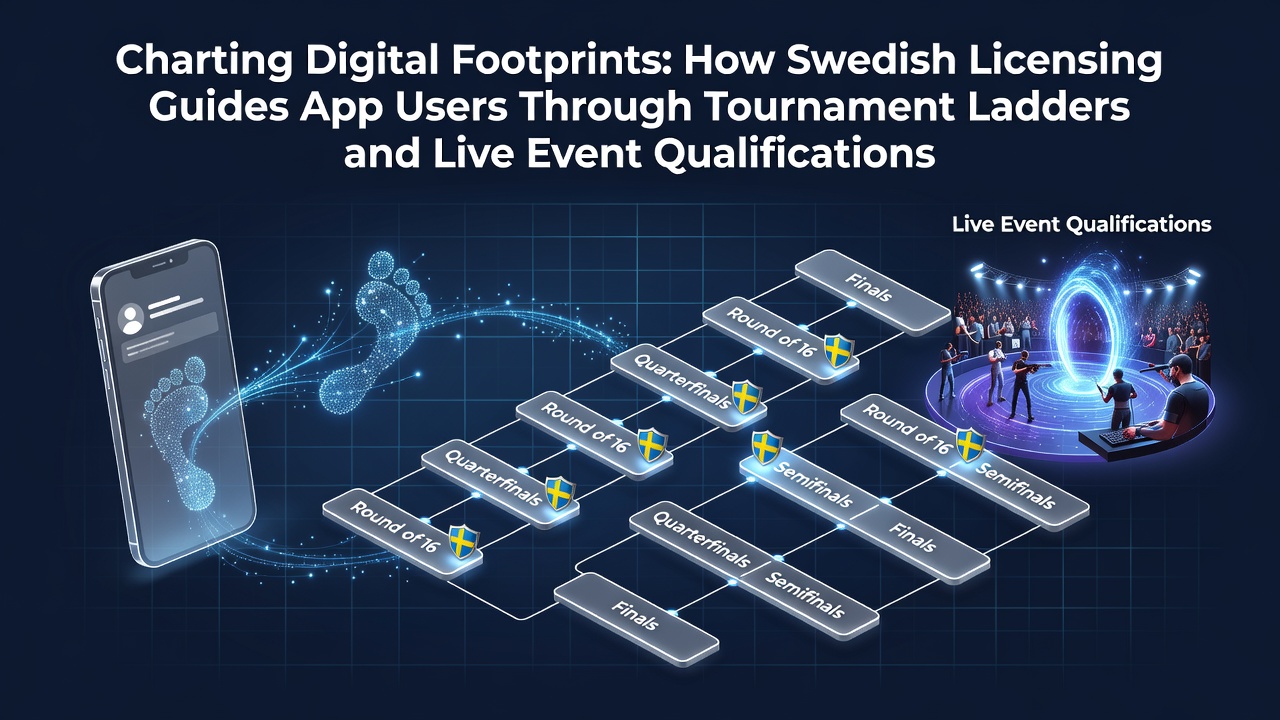
Swedish licensing frameworks establish clear mechanisms for digital tracking within gaming applications, and these systems map user activity across tournament ladders while directing participants toward live event qualifications. Regulators require licensed operators to maintain detailed records of player progression, which creates traceable digital footprints that document every step from initial entry through advancement stages. Data collected under these rules includes login patterns, match outcomes, and qualification metrics, all stored in compliance with national standards.
Regulatory Framework for Digital Tracking
Spelinspektionen oversees licensing conditions that mandate operators integrate secure logging systems into their platforms, and these tools capture user interactions in real time. Licensed applications must record tournament participation data such as rankings, points accumulation, and ladder movements, which allows authorities to verify compliance during audits. According to Spelinspektionen guidelines, operators submit periodic reports that detail how user data flows through qualification pathways, ensuring transparency in both virtual and hybrid formats.
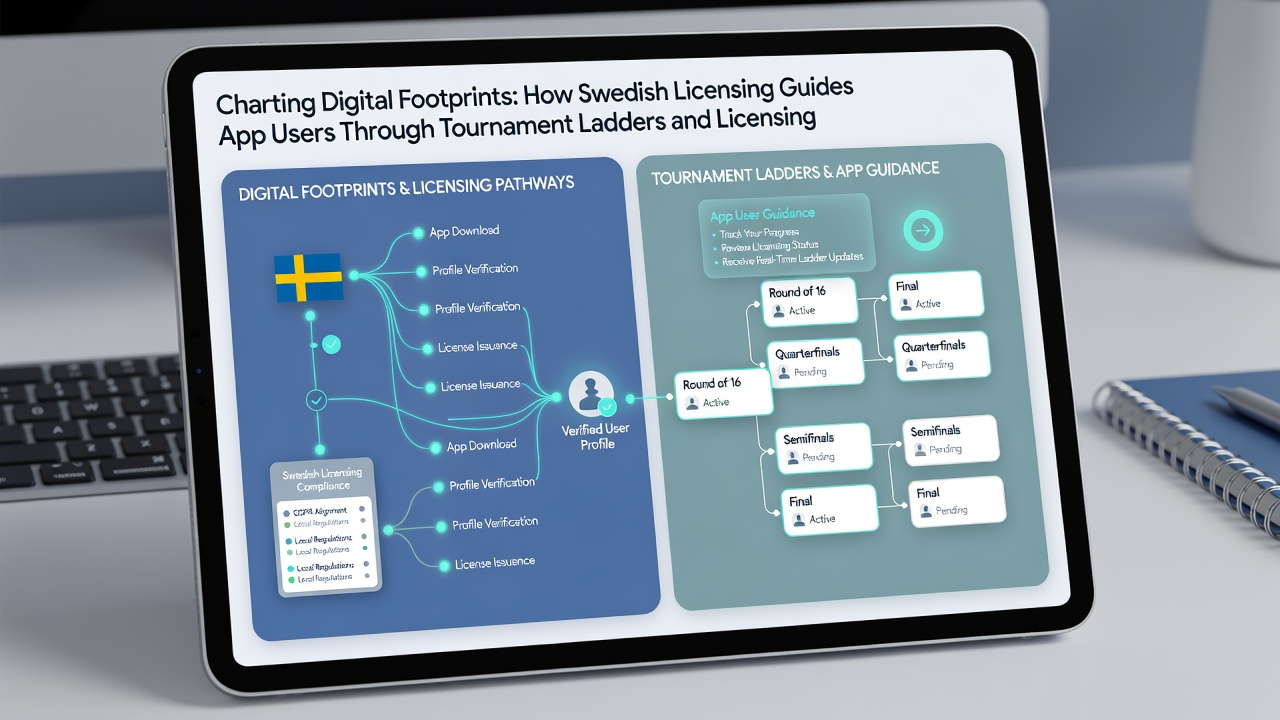
Operators implement standardized APIs that connect app-based ladders directly to qualification criteria for live events, and this integration reduces discrepancies between digital records and physical attendance lists. Those who manage licensed platforms report that such connections streamline the process for users seeking to convert online achievements into offline opportunities, particularly during peak periods like November 2026 when multiple circuits schedule major qualifiers.
Tournament Ladders and Data Collection Practices
Applications operating under Swedish licenses structure tournament ladders with progressive tiers, where each level requires documented performance metrics before advancement. Systems log every match result, point total, and time spent in competition, forming comprehensive digital profiles that regulators can review for accuracy. Evidence from industry reports indicates these records help prevent unauthorized modifications while providing users with verifiable histories they can reference when applying for live event entry.
Users navigate these ladders through mobile interfaces that display real-time updates on qualification thresholds, and the licensing rules ensure all displayed information draws from audited databases. Researchers at institutions focused on digital governance have examined how such setups maintain consistency across different app providers, with one analysis noting that Swedish standards align with broader European data protection requirements to safeguard participant information throughout the progression cycle.
Qualification Pathways to Live Events
Live event qualifications often hinge on digital performance thresholds established within licensed apps, and operators must transmit verified ladder data to event organizers to confirm eligibility. This process creates a direct link between app activity and physical participation, where digital footprints serve as the primary evidence of merit. Figures from gaming industry associations reveal that thousands of qualifications occur annually through these channels, with November 2026 expected to see increased volume due to scheduled international circuits.
Platforms incorporate verification steps that cross-reference user accounts against licensing databases before granting qualification status, and this reduces instances of duplicate or fraudulent entries. Those who study regulatory impacts observe that the approach supports fair access while allowing event coordinators to plan logistics based on reliable participation forecasts derived from app analytics.
Privacy and Compliance Considerations
Licensing conditions incorporate strict data handling protocols that limit how operators share or retain user footprints beyond necessary qualification purposes, and these measures align with EU-wide directives on personal information. App developers must obtain explicit consent for data usage tied to tournament tracking, which ensures participants understand the extent of monitoring involved. A study published by Canadian research centers on digital regulation highlights similar practices in other jurisdictions, showing how centralized oversight prevents misuse while preserving the integrity of ladder systems.
Operators conduct regular internal reviews of their logging mechanisms to maintain alignment with updated licensing terms, and external audits provide additional checks on data accuracy. This layered approach helps sustain user trust in the qualification process, particularly as live events draw closer and digital records become central to entry confirmations.
Integration of Virtual and Physical Records
Hybrid competition models benefit from Swedish licensing because they require seamless merging of app-generated data with live event attendance logs, and this creates unified participant histories. Systems flag any inconsistencies between digital ladder standings and physical check-ins, prompting swift resolution through operator channels. Data from trade organizations in the Asia-Pacific region demonstrates that such integrations improve overall event efficiency by minimizing administrative delays at registration points.
Users receive notifications within licensed apps when their digital achievements meet live qualification benchmarks, and these alerts draw directly from the same tracked records used for regulatory reporting. The setup supports continuous progression tracking even when participants switch between online ladders and offline stages throughout a season.
Conclusion
Swedish licensing continues to shape how applications document and guide user movement through tournament ladders toward live event qualifications, with digital footprints serving as the core mechanism for verification and compliance. Operators adhere to established reporting standards that connect app metrics with event access, and this framework operates consistently across multiple competition cycles including those planned for November 2026. Regulatory bodies maintain oversight through audits and data submissions, which supports accurate tracking while meeting privacy obligations under national and regional rules.