Tracing Player Progression via Combined Live and Virtual Competition Records in Scandinavian Circuits
Otto Brooks · Nov 9, 2026
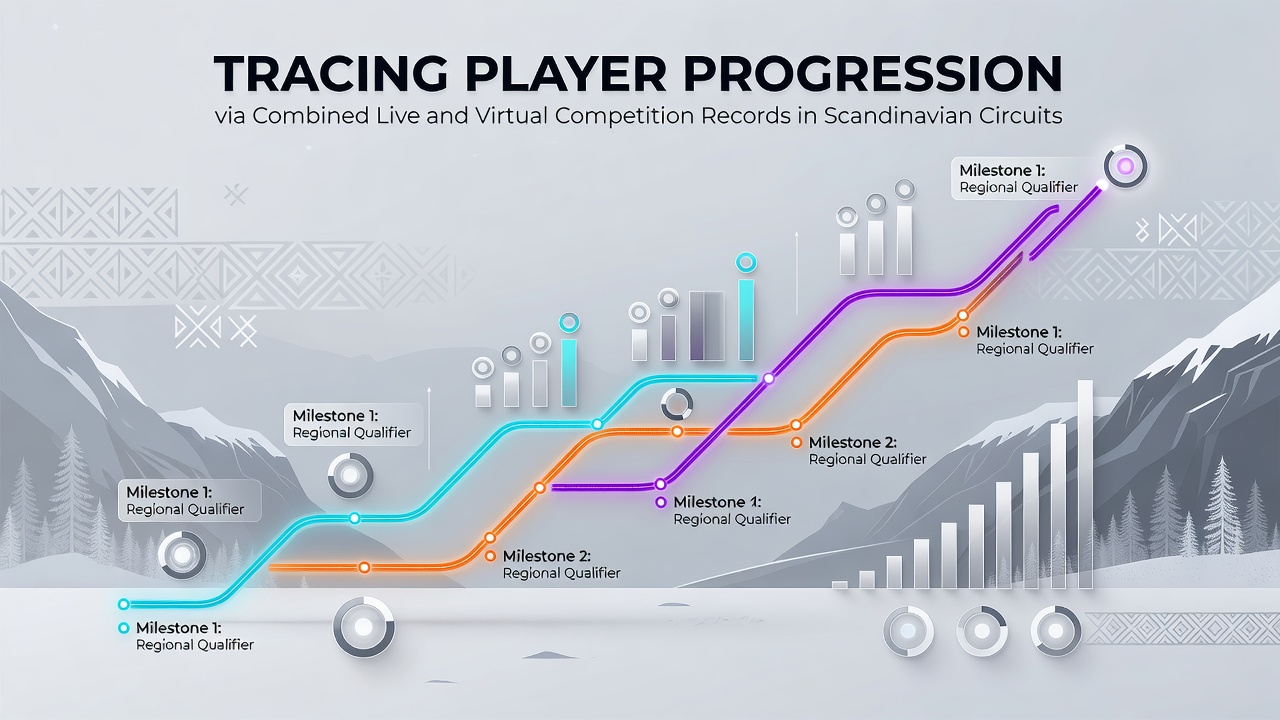
Tracing Player Progression via Combined Live and Virtual Competition Records in Scandinavian Circuits
Scandinavian circuits maintain detailed player progression systems that merge live event results with virtual competition records through centralized databases operated by national gambling authorities and circuit organizers, and these platforms assign unique identifiers to participants across Sweden, Norway, Denmark, and Finland so that rankings reflect cumulative performance rather than isolated tournament outcomes.
Data Integration Mechanisms Across Regional Platforms
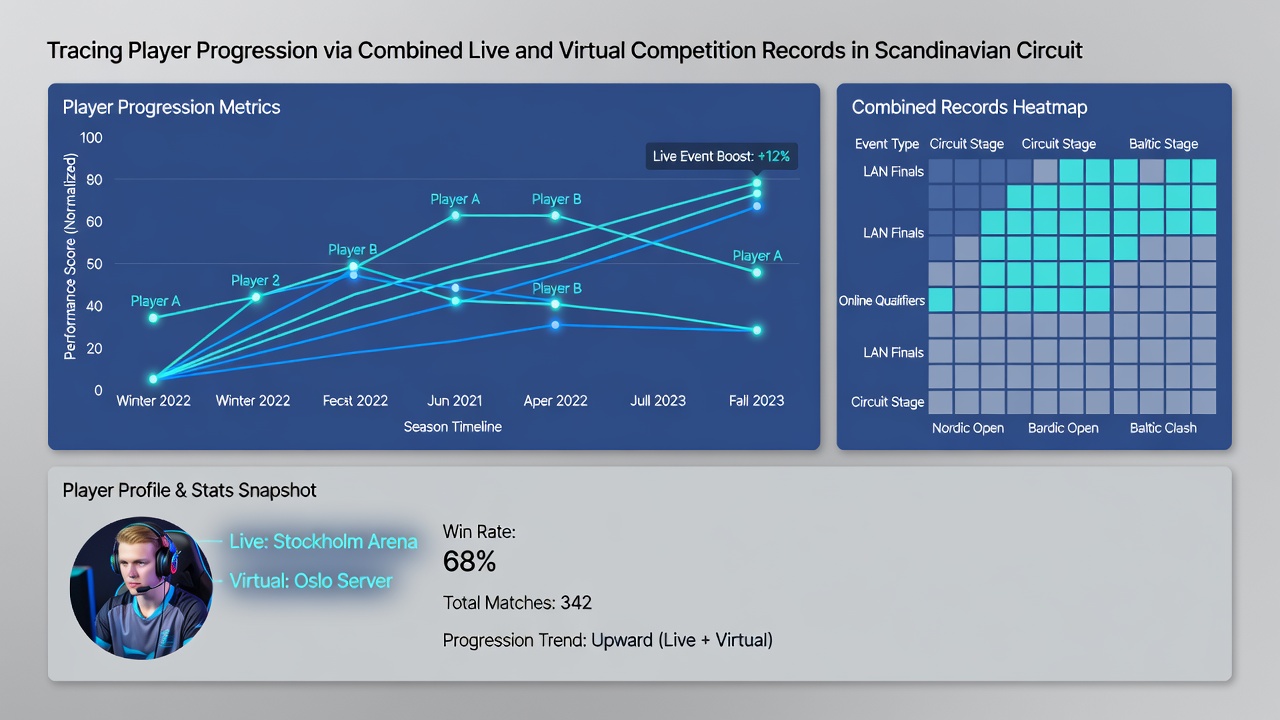
Operators in these countries feed live tournament results into shared repositories while virtual platform logs from licensed online sites update the same profiles in real time, and the process relies on standardized data fields that include buy-in amounts, finishing positions, prize payouts, and participation dates so that progression metrics remain consistent regardless of format. Researchers at Nordic gaming institutions have documented how this merged approach allows circuit officials to calculate adjusted player ratings that account for both physical venue constraints and digital scalability factors.
Swedish Spelinspektionen regulations require all licensed operators to submit competition data within specified intervals, whereas Norwegian and Danish frameworks emphasize cross-border verification protocols that prevent duplicate entries from inflating individual records. One study from a Scandinavian university examined records spanning multiple years and found that combined datasets reduced ranking discrepancies by aligning virtual volume with live frequency indicators.
Progression Tracking in Practice
Circuit administrators apply algorithmic models to these unified records when seeding players for major events, and the models weigh recent virtual activity against historical live achievements to determine eligibility tiers. Observers note that November 2026 schedules include several flagship tournaments where these combined metrics will determine entry priority, and preliminary data releases indicate increased participation from players whose virtual records demonstrate steady advancement.
Take the case of a mid-tier competitor who accumulated points through consistent online finishes in licensed Swedish rooms before transitioning to live stops in Copenhagen and Oslo, where officials cross-referenced the digital history to place the player in appropriate brackets without manual verification delays. Such examples illustrate how the system streamlines operations while maintaining transparency for all stakeholders.
Regulatory Frameworks Supporting Record Combination
EU-wide guidelines on responsible gaming encourage member states to maintain comprehensive player histories, and Scandinavian implementations extend these principles by requiring periodic audits of merged datasets to confirm accuracy across live and virtual sources. Figures from industry reports reveal that Finnish and Danish circuits adopted unified tracking earlier than some neighboring regions, resulting in smoother data flows during multi-country event series.
Industry associations such as the European Gaming and Betting Association have published analyses showing that combined records help identify patterns in player movement between formats, although the reports stop short of prescribing specific ranking formulas. Government agencies in each country continue to refine submission standards so that virtual competition volume does not overshadow live achievement when calculating long-term progression scores.
Future Developments and November 2026 Outlook
Preparations for November 2026 events include pilot programs that incorporate additional data points such as time spent in virtual qualifiers and average stack survival rates from live tables, and circuit coordinators expect these enhancements to produce more granular progression pathways. Data from prior seasons indicates steady growth in the number of players maintaining active profiles across both domains, which supports expanded tracking initiatives without requiring entirely new infrastructure.
Those who manage these systems emphasize the importance of maintaining separate verification layers for live attendance versus virtual logins to preserve record integrity during high-volume periods. Academic papers from regional research centers have examined similar merged datasets in other sports and concluded that the Scandinavian poker model aligns closely with best practices for longitudinal performance analysis.
Conclusion
Combined live and virtual competition records now form the backbone of player progression systems throughout Scandinavian circuits, and the technical and regulatory structures in place ensure that data remains accurate, accessible, and useful for seeding, eligibility, and trend analysis. As November 2026 approaches, updates to these frameworks will likely build on existing models rather than replace them, allowing continued refinement of how participants advance across both physical and digital competition environments.